Shanepasephotography
![]()
By Jenny Fasulkey
ORANGE COUNTY, Calif. — Small music venues in Orange County are struggling to stay relevant in an industry increasingly dominated by corporate ownership, rising costs and digital discovery. As streaming platforms and social media shift how artists build careers, the spaces that once served as entry points for local bands, and gathering places for fans, are becoming harder to sustain. Yet for many in the scene, these venues remain essential, offering a sense of community that cannot be replicated online or on an arena stage.
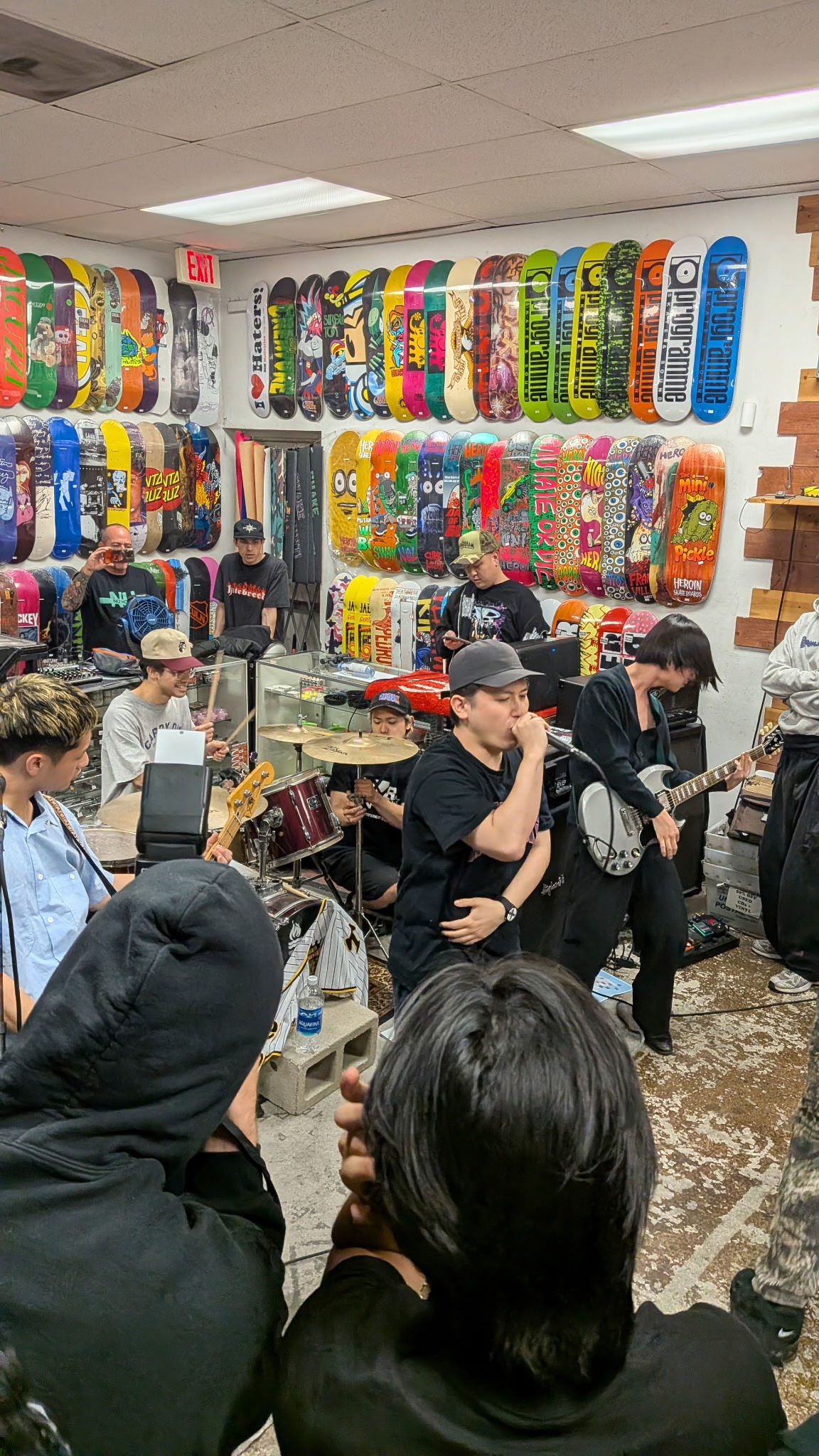
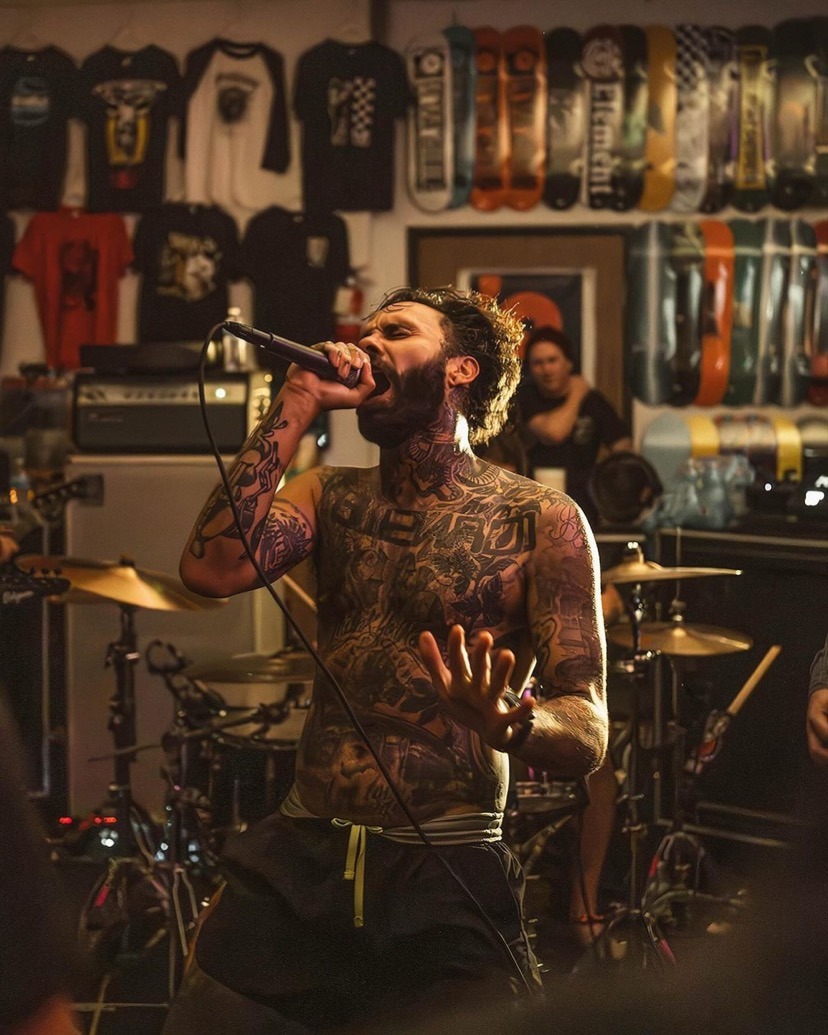
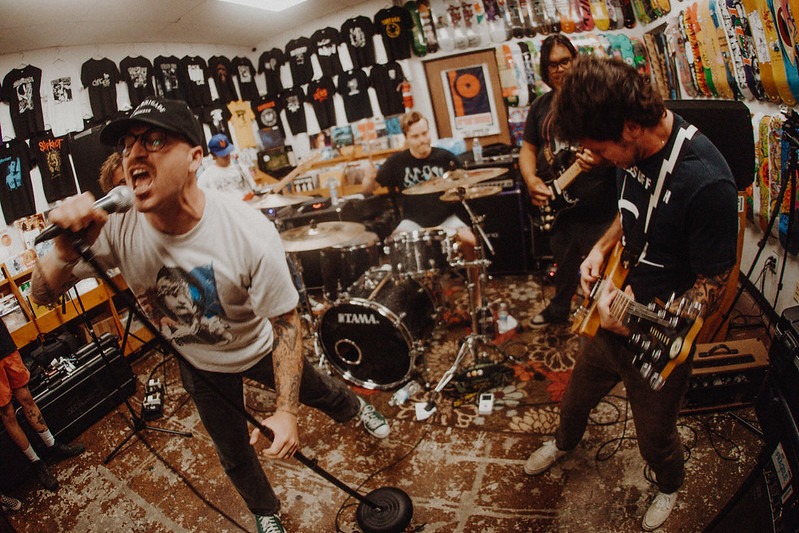
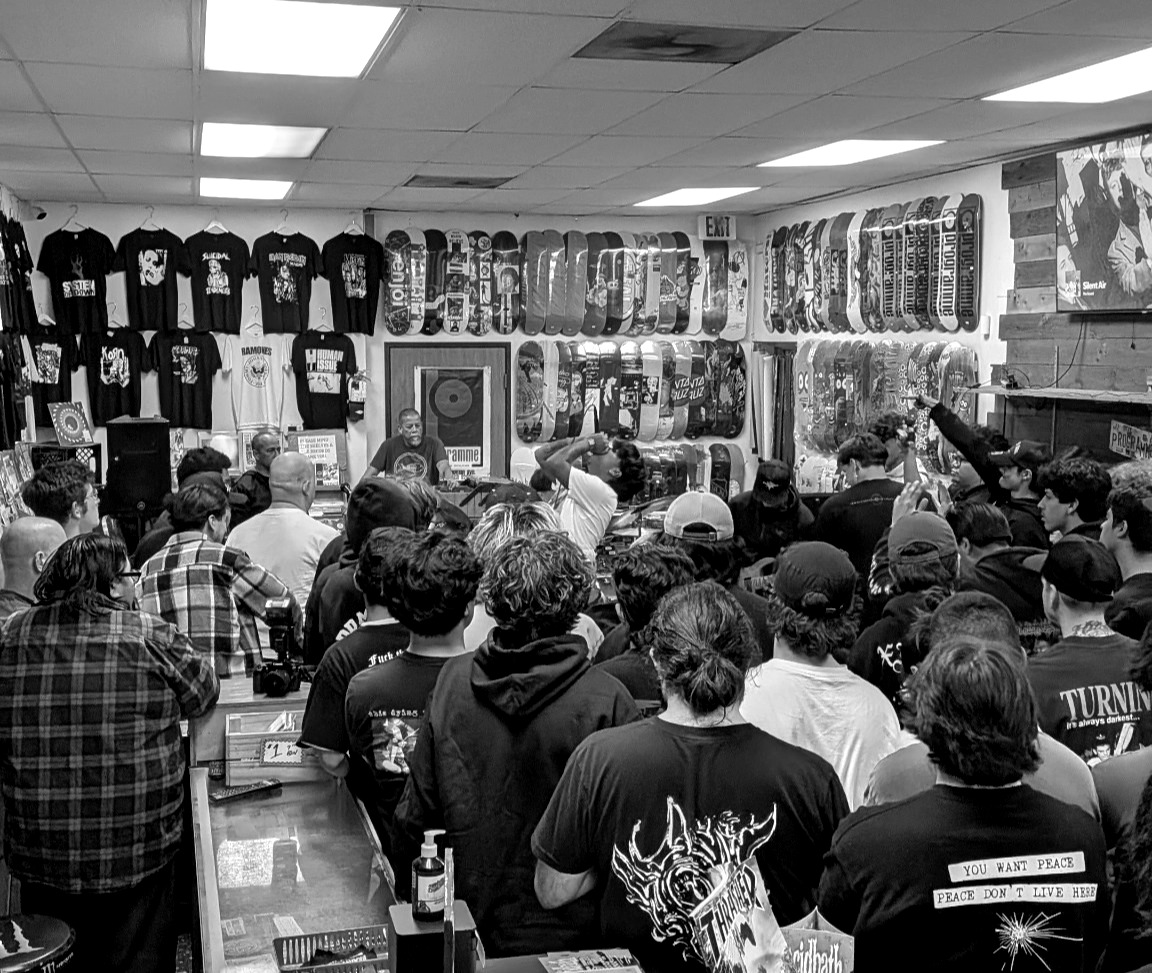
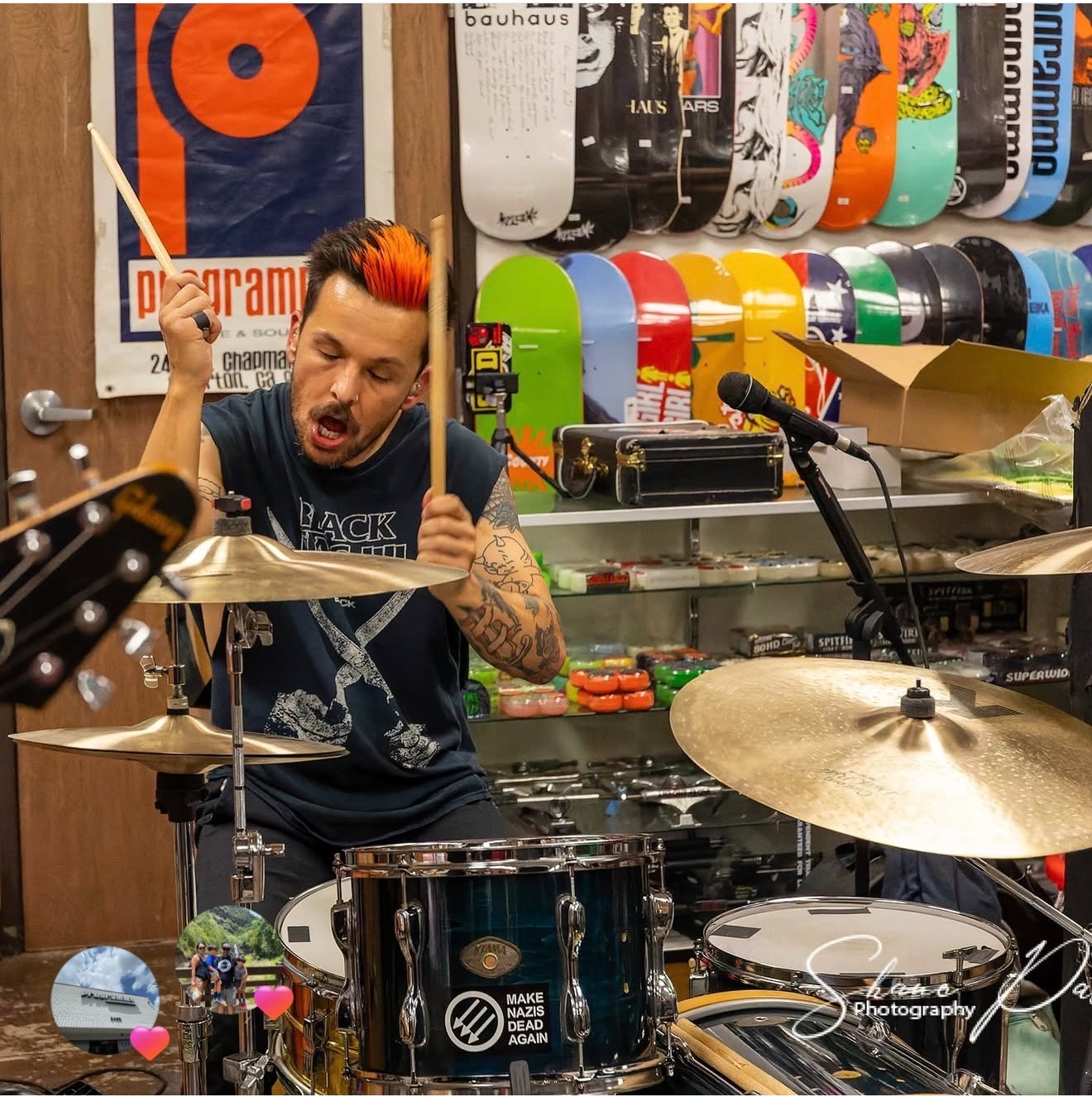
Chris Gronowski, co-owner of Programme Skate & Sound in Fullerton, said that sense of unity has been the goal since the shop opened in 2011. He co-owns the space with Efrem Schulz, frontman of the band Death By Stereo.
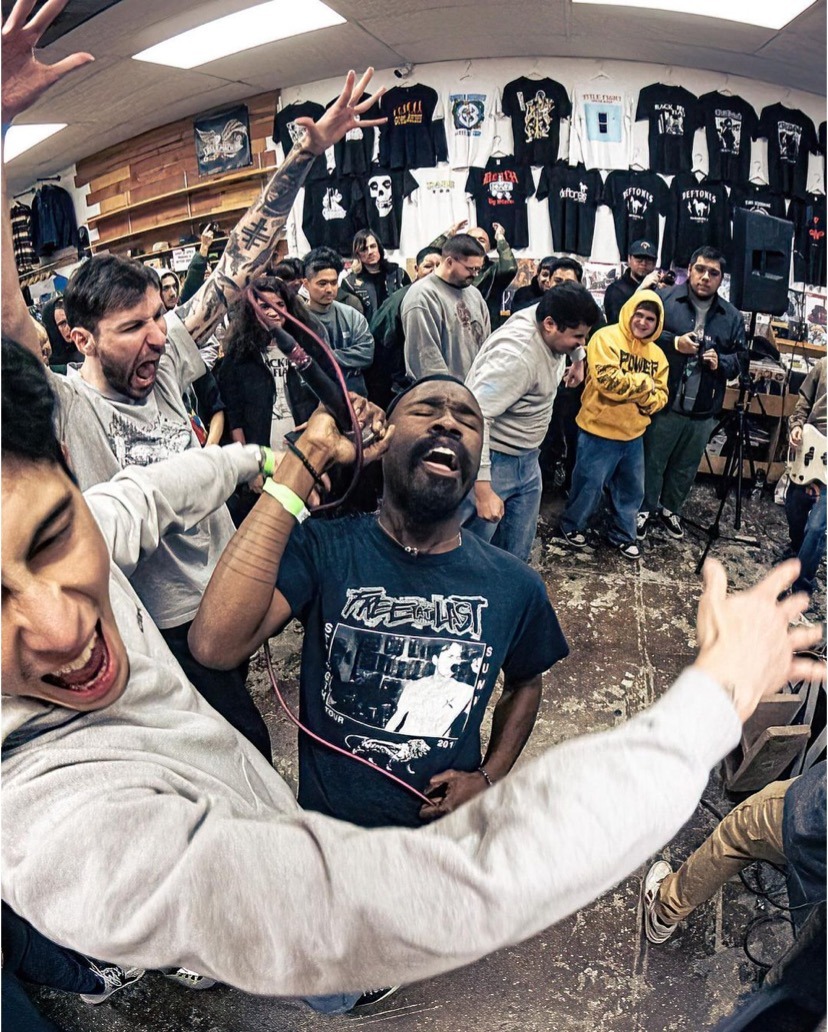
“We wanted to create a communal space around music and skateboarding and give people a space to bring different musical genres together,” Gronowski said. “Even smaller shows can carry weight. You can bring in 50 or 75 people anytime, and that feels like everything.”
In a region defined by overlapping subcultures, Gronowski said Orange County’s diversity naturally lends itself to spaces like Programme, where those worlds intersect.
For industry veteran Milo Powley, who has spent more than 25 years as a sound engineer, tour manager and lighting designer, that intimacy is what defines small venues.
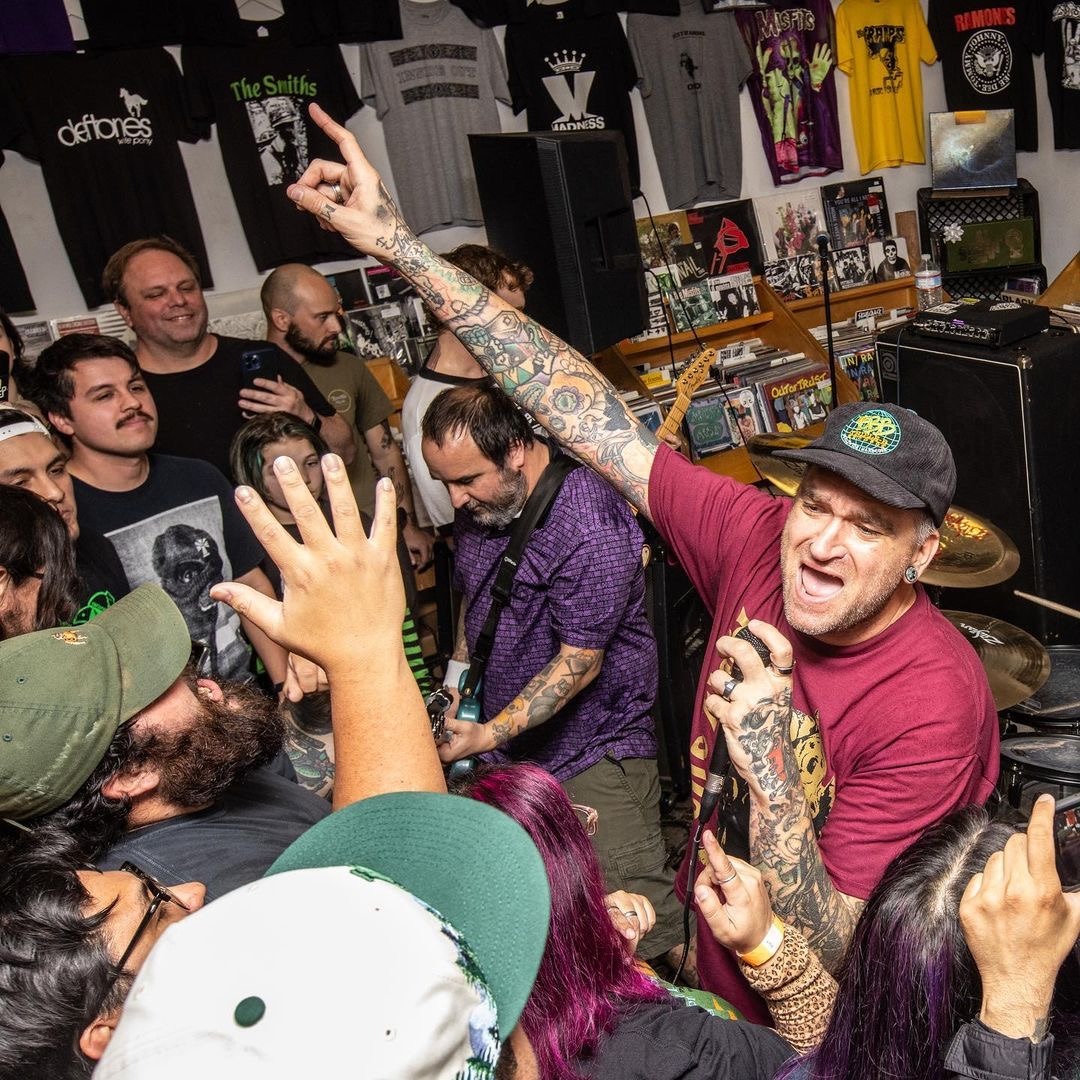
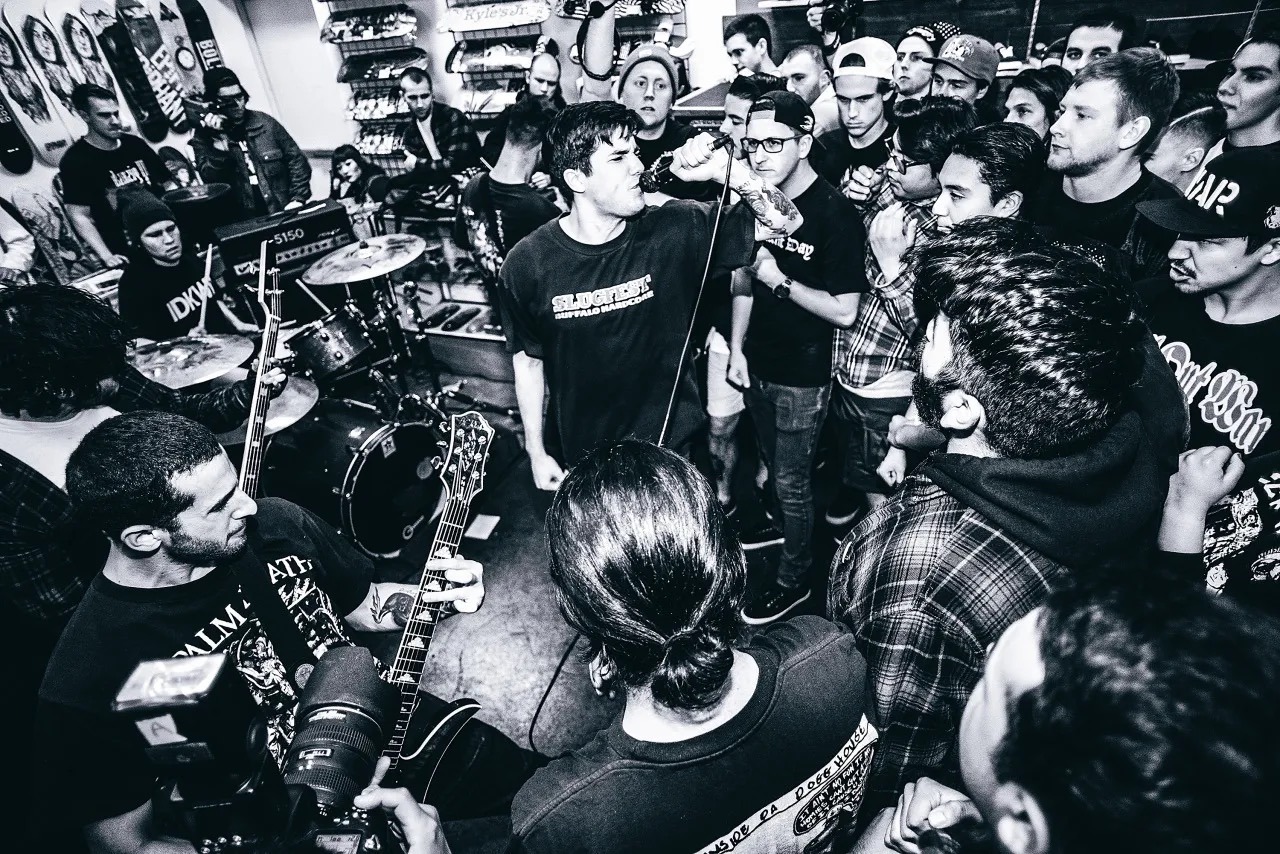
“In my opinion, the smaller the venue, the bigger the energy,” Powley said, describing packed rooms where audiences and artists feed directly off each other.
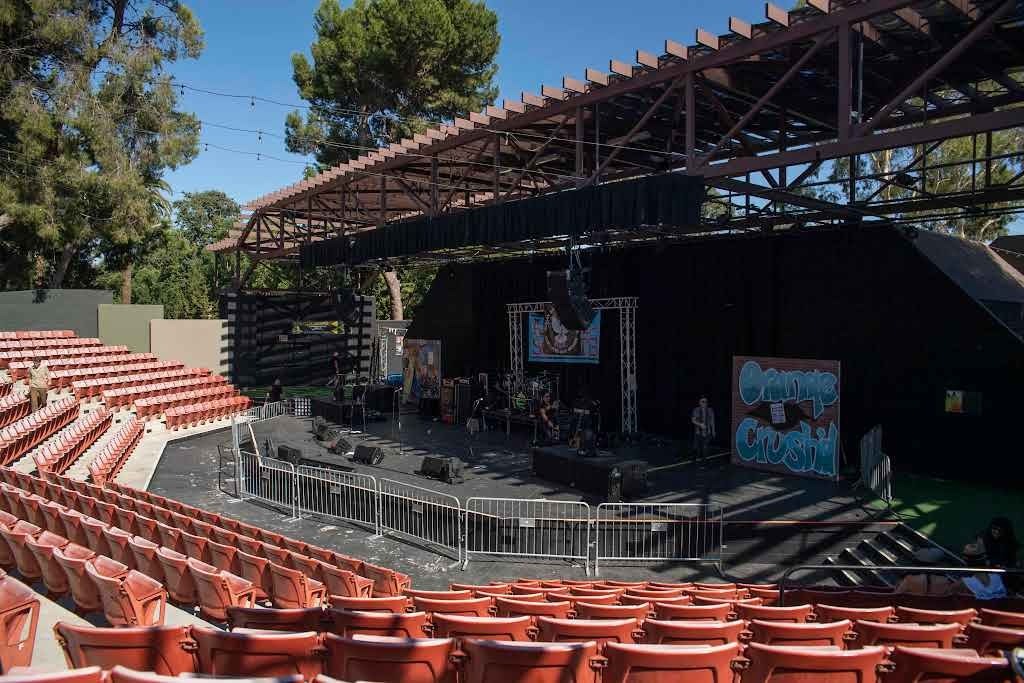
He contrasted that with larger, corporate-run venues, recalling how places like the Observatory and House of Blues shifted after corporate takeovers. What once felt like “a musician’s paradise,” he said, eventually became “another soulless building with a stage.”
Powley also pointed to broader changes in how music scenes function. He described a peak era in Orange County when it felt like “everybody you knew was in a band,” with constant shows and strong support between artists.
“It was definitely a great time to be an artist in Orange County,” Powley said. “Even small unknown artists felt as big as the Rolling Stones when playing small stages in front of friends and family.”
Today, that network has been replaced by streaming platforms and social media, where artists can build large followings without ever performing live. While that visibility can be beneficial, it also shifts focus away from the live experience and the community that once formed around it.
Tatiana Simonian, chief marketing officer of Feels Music, said that shift has reshaped how artists are discovered. She described the 1990s music landscape as more organic, driven by word-of-mouth and press rather than algorithms. Today, the digital space is saturated, making it harder for independent artists to stand out.
“There is a lot of noise in the ecosystem,” Simonian said. “It was my hope that technology would make it easier for independent artists to break. However, I think in some ways it’s made it more difficult.”
Simonian said live performance remains critical to an artist’s development. Without playing locally, musicians risk being unprepared for larger stages. At the same time, she believes demand for live experiences could grow as audiences become disillusioned with social media.
“We will see a higher demand for live experiences,” she said. “There are plenty of small live venues that are thriving. Those are the spaces to figure out what they’re doing and replicate it.”
The challenge, she added, is not just technological but structural. Many venues have struggled in recent years due to the pandemic, economic pressures and changing consumer habits. Rather than blaming technology, venues must adapt, using data and marketing strategies to stay relevant.
“Live venues are a business just like anything else,” she said.
For Gronowski, keeping Programme small has allowed it to survive during a difficult time, even as opportunities to expand continue to surface. Still, growth is not just about scaling up, but about maintaining the role the space plays in the local music scene.
“We are trying to grow, whatever that growth may be,” Gronowski said. “It is vital for places like ours to exist. You need a bridge between playing in your garage and House of Blues, and people need somewhere to go where there’s no pressure.”
Despite ongoing challenges, small venues remain vital to Orange County’s music scene. They are spaces where artists refine their craft, where communities form and where music is experienced, not just consumed. While the industry continues to evolve, it is the people behind these venues, and the crowds that continue to show up, who are keeping the scene alive, one show at a time.