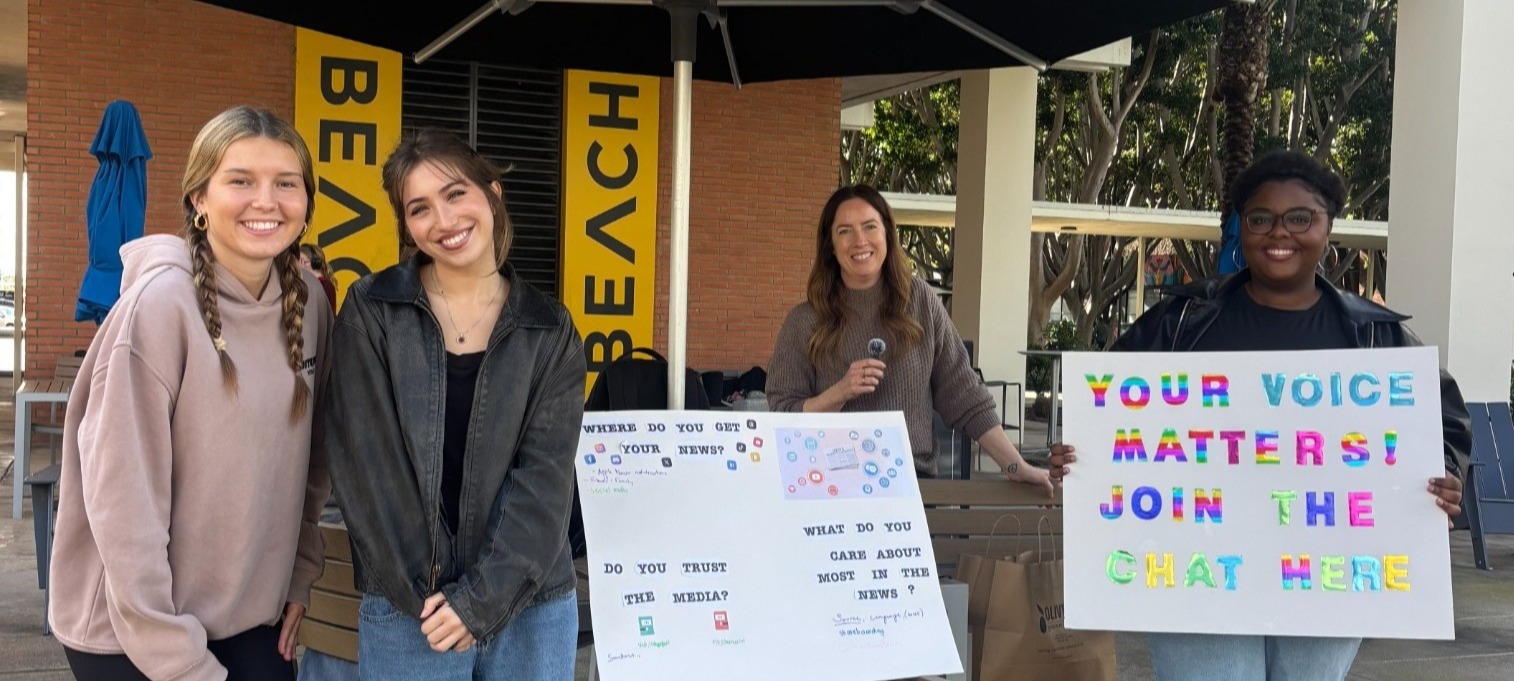
CSULB Students Raise Concerns About Campus News Representation at Pop-Up Newsroom
Reflection: Listening First, Reporting Second
Hosting our Pop-Up Newsroom event reminded me that CSULB students are not disengaged from campus news, they simply want to see more of themselves reflected in it.
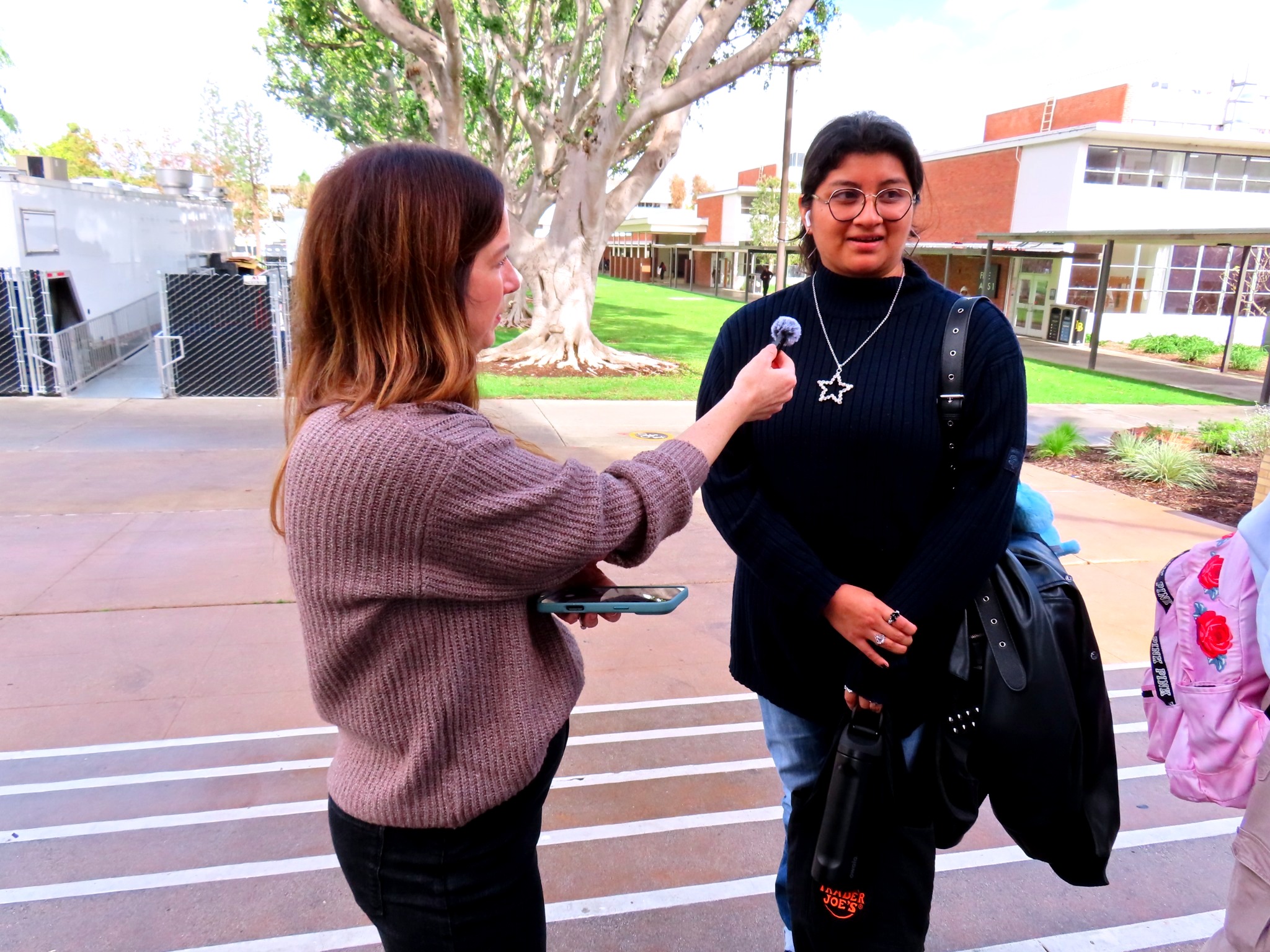
Going into the conversations, I expected to hear general comments about wanting “more interesting stories” or the usual complaints about construction. Instead, the students we spoke with were specific, thoughtful and deeply aware of what feels missing. Many didn’t say they don’t care about The Long Beach Current or DIG Magazine, CSULB’s student-run publications, they said they don’t always have time to read it or aren’t sure how to access it. That distinction mattered. The issue wasn’t a lack of interest, it was accessibility.
One of the strongest themes across conversations was representation. Art and design majors repeatedly asked for more spotlights on student artists, particularly underrepresented voices. They want to see more Indigenous, Black and brown creatives featured. They want emerging artists highlighted, not just familiar names or established faculty. That feedback revealed something important: campus media doesn’t just inform students, it validates them.
Format also came up frequently. A film student pointed out that presentation and marketing matter when it comes to picking a source for news. In a world dominated by short-form content, stories need to feel visually engaging and digestible. That doesn’t mean students don’t value depth, it means we have to earn their attention and trust.
I was also surprised by the diversity of interests. A biology graduate student suggested wildlife and conservation coverage, even something as specific as the red-tailed hawk nest she discovered on campus. A history major emphasized political transparency and sourcing, expressing concern about bias in media. Another student proposed coverage of skaters and bikers navigating campus life, including the financial strain of parking. These responses reminded me that “campus news” isn’t a single category, it’s a collection of niche communities, each with its own priorities.
What stood out most was that students had ideas. They had critiques, they had passion and they just needed to be asked. We were able to have a lot of quality conversations about things that truly mattered to each person.
This experience reinforced that journalism, especially student journalism, should begin with listening. Our role isn’t to decide what students should care about, it’s to create space for what they already care about. The CSULB Pop-Up Newsroom wasn’t just about gathering quotes. It was about building trust and recognizing that campus media is an ongoing, evolving conversation.
#CSULB #CampusJournalism #StudentVoices #LongBeachCurrent #DIGMagazine
#CollegeMedia #StudentEngagement
Post a comment